Industry Trends
2 min read
Life in Sound & Colour: How AV Has Become the Story of the Event
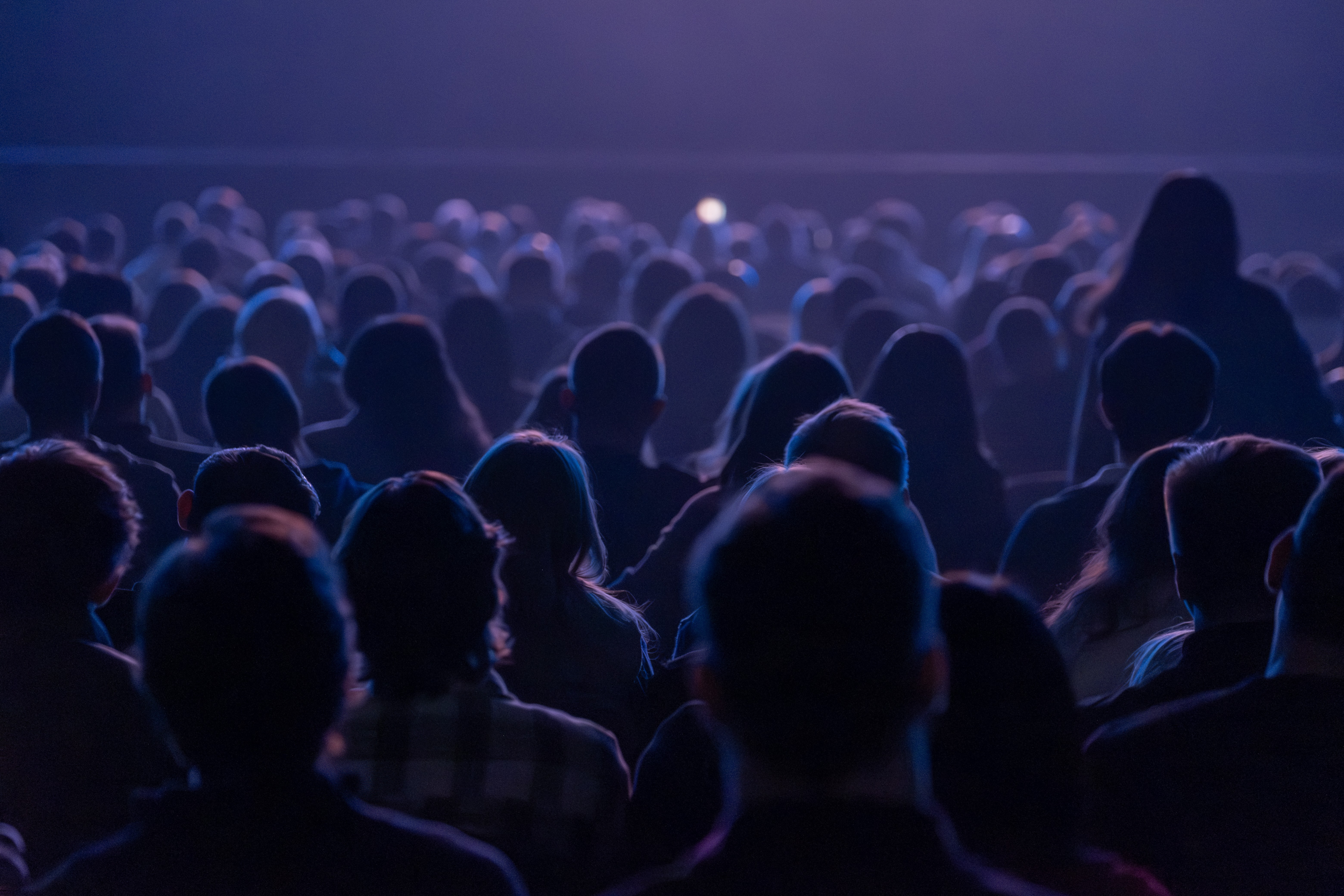
For many years, the phrase ‘Audio Visual equipment’ might have traditionally conjured up images of a speaker behind a podium, in front of a PowerPoint presentation with a microphone in hand. But in today’s modern world, Audio Visual has transformed from a largely invisible support function into critical narrative infrastructure. No longer just background mechanics, AV is now the life and soul of the event experience and sits at the centre of immersive environmental storytelling. Deployed well, it creates living and breathing spaces that feel emotional, engaging, and unforgettable for your guests.
We’ve compiled our favourite considerations for how Audio Visual can be used as a sensory and emotive tool in modern events.
Sound as a storytelling tool
Spatial audio design is replacing centralised speakers to create distinct audio zones, so sound physically travels through the room in ways that give guests a truly 3D listening experience. Sound cues can also be deployed to guide audience attention, with curated soundtracks being used to evoke emotion and connect people to the narrative of your event. The concept of well-executed event audio no longer simply refers to sound quality; it now encompasses a holistic approach to using sound to drive the specific sensory story that you want to tell.

Colour and light as emotional architecture
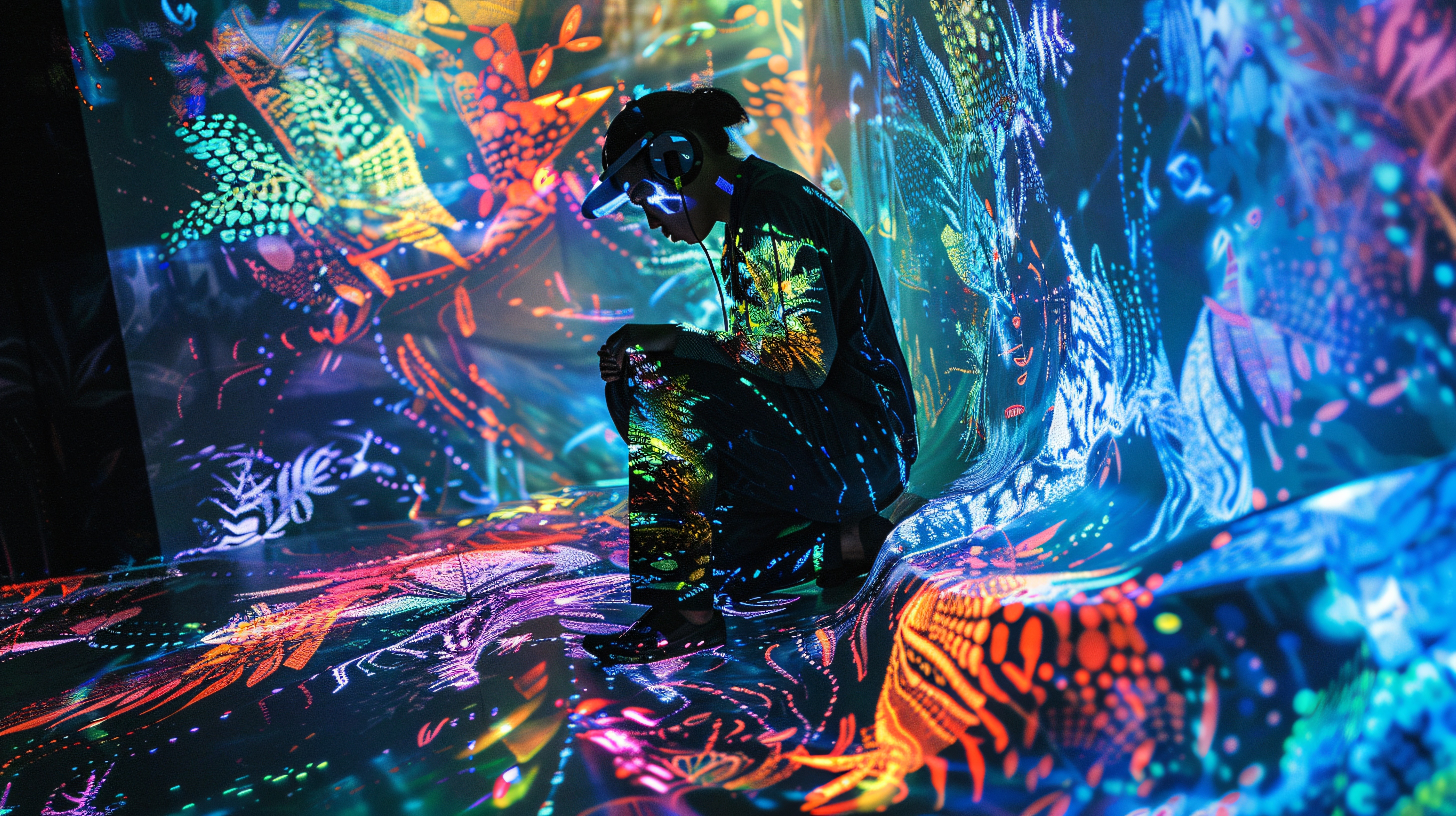
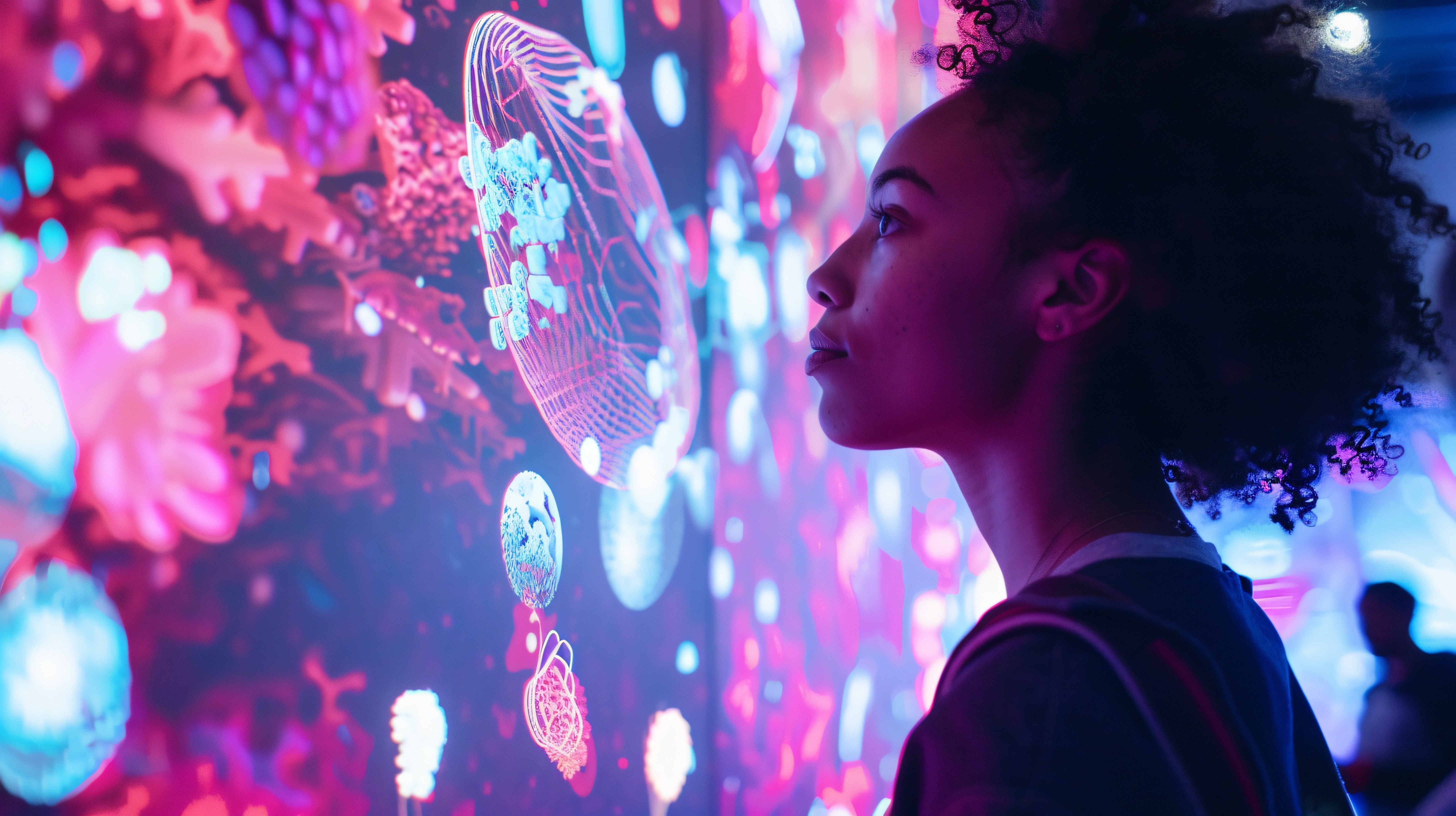
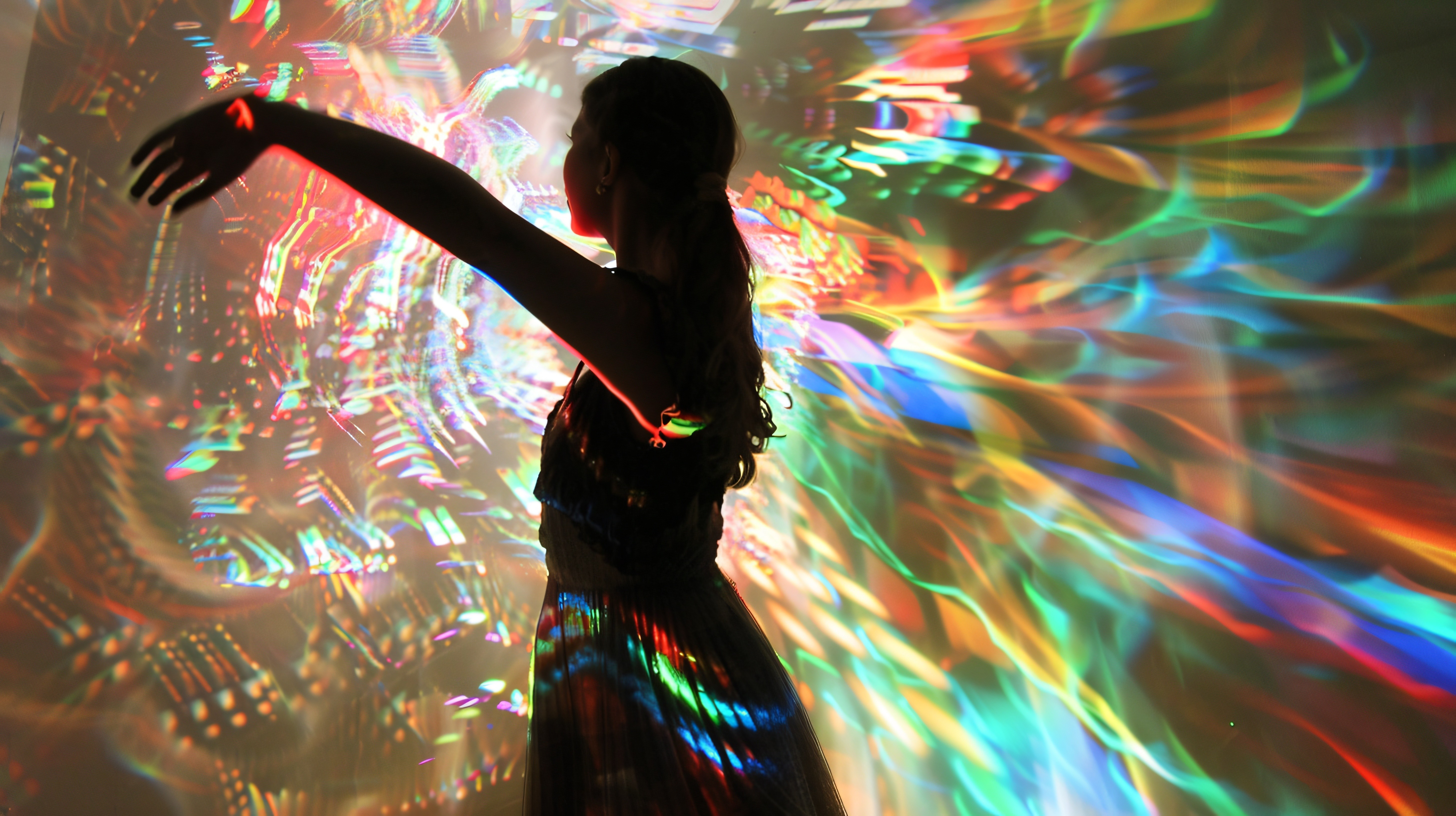
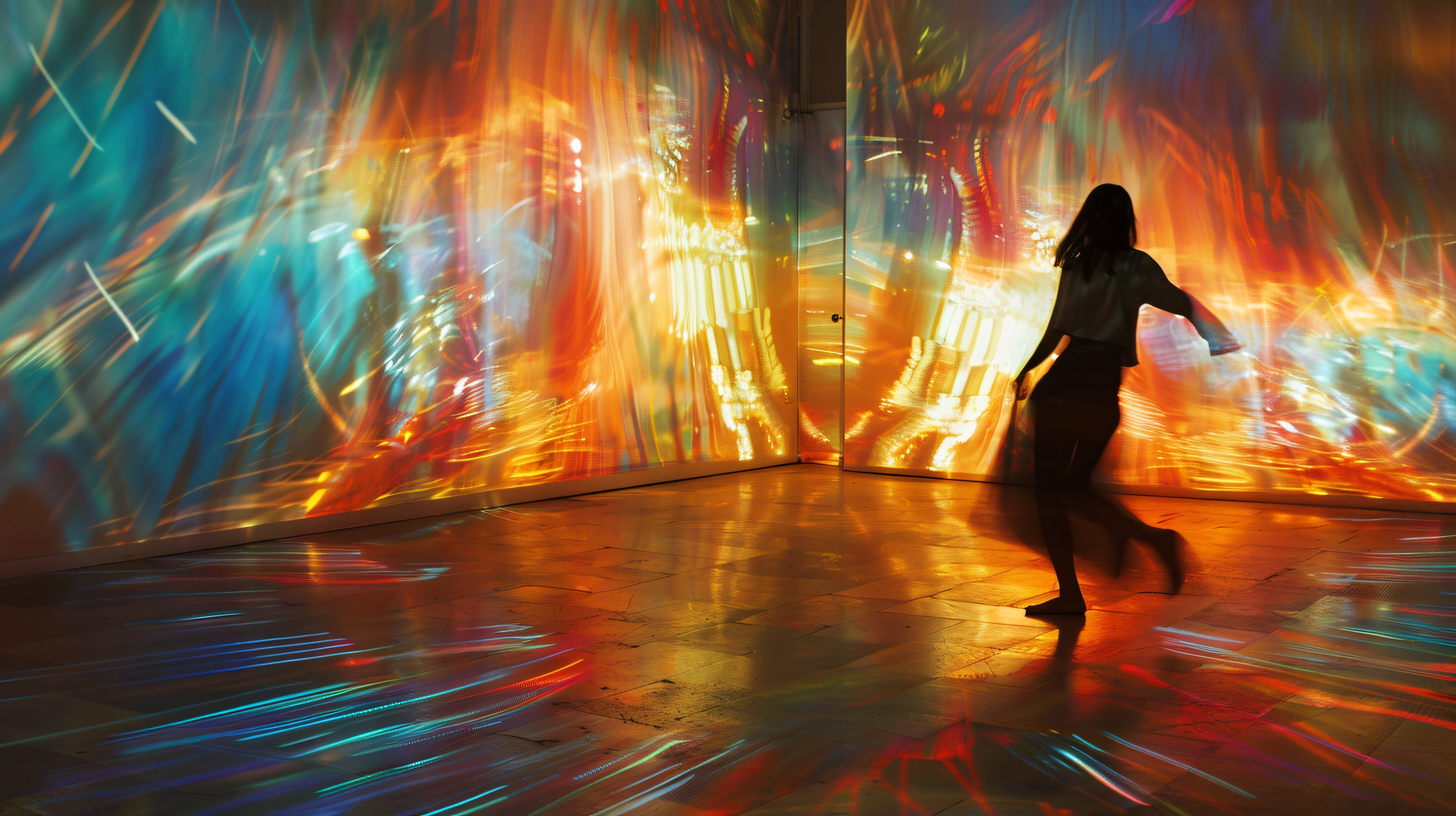
Static colours are no longer the name of the AV game. Pre-programmed lighting scenes that evolve with the event timeline are the new standard for shaping emotional architecture in event venues. Techniques such as kinetic pixel mapping can make whole ceilings and walls flow with moving patterns that adapt to music, presentations, or guests simply walking by – and these techniques can be used in real-world scenarios such as transforming the same room effortlessly from a networking event to an afterparty without needing to move your guests elsewhere.
AI as the invisible support engine
As everyone knows, AI is no longer an experimental technology to be discussed in future terms. It’s now sitting firmly within the operational backbone of event production, and can be used to power content creation, personalised attendee experiences, and real-time reporting. As we’ve said before, we are huge fans of using AI to supplement human creativity instead of replacing it. Audio Visual production is the perfect example of where the AI and human partnership can work in tandem to produce beautiful results.
Balancing spectacle with sustainable choices
The best event teams of the future will recognise that modern audiences desire to feel emotional ‘spectacle’ but that this needs to be constantly balanced with responsible and sustainable choices. In the Audio Visual space, this means being aware of managing the tension between bigger and better sensory experiences and smaller carbon footprints. This might translate in real terms to considerations such as choosing reusable modular staging or battery powered wireless AV to support the types of sensory experiences discussed above.
Conclusion
Whatever narrative you want your event to evoke, it’s clear that sound and colour aren’t simply static effects for event planners to enact anymore. They are central to how attendees live and feel the event, driving sensory experiences that will evoke feelings long after the content has been shared. Our team’s creative thinking capability is paired with decades of event production experience, so whatever the story is you want to tell, we can help create the perfect sound and visual for your event. Speak to us today about your ideas.
eyebrow text